-
-
-
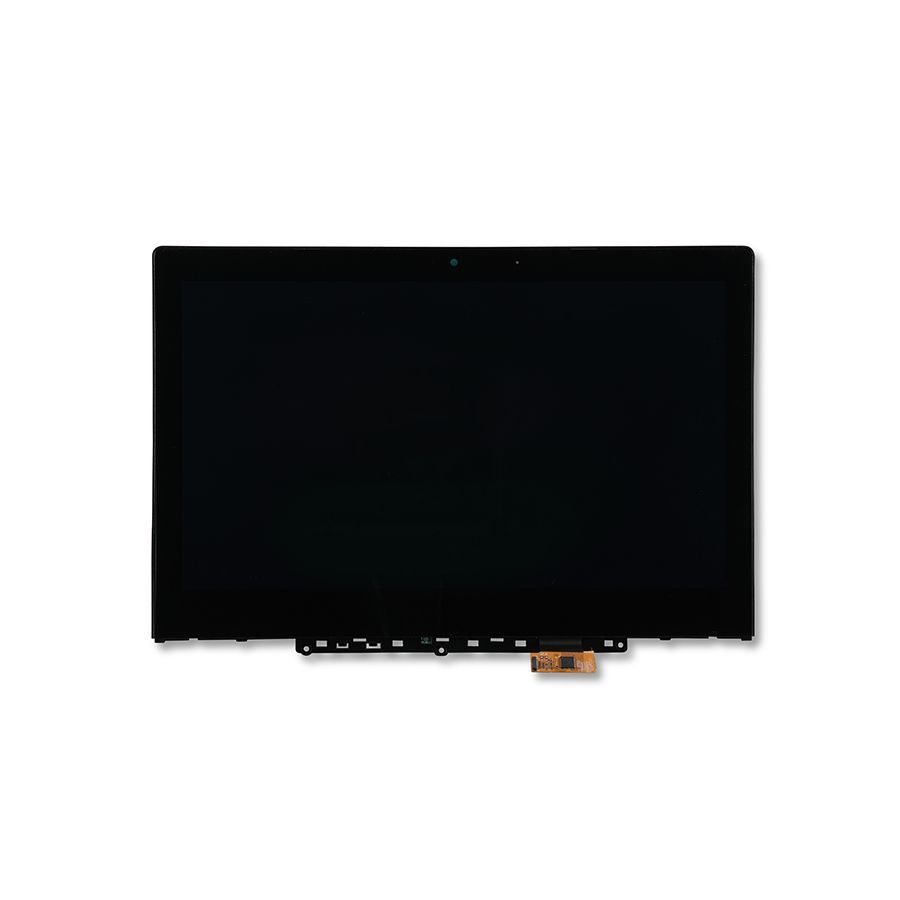
- LCD Touch Assembly for Dell Chromebook 5190 2-in-1 (Touch)
- LCD Touch Assembly for Dell Chromebook 13 7310 (Touch)
- LCD Touch Assembly for Dell Chromebook 13 3380 (Touch)
- LCD Touch Assembly for Dell Chromebook 11 5190 2-in-1 (Touch)
- LCD Touch Assembly for Dell Chromebook 11 3189 (Touch)
- LCD Touch Assembly for Dell Chromebook 11 3120 (Touch)
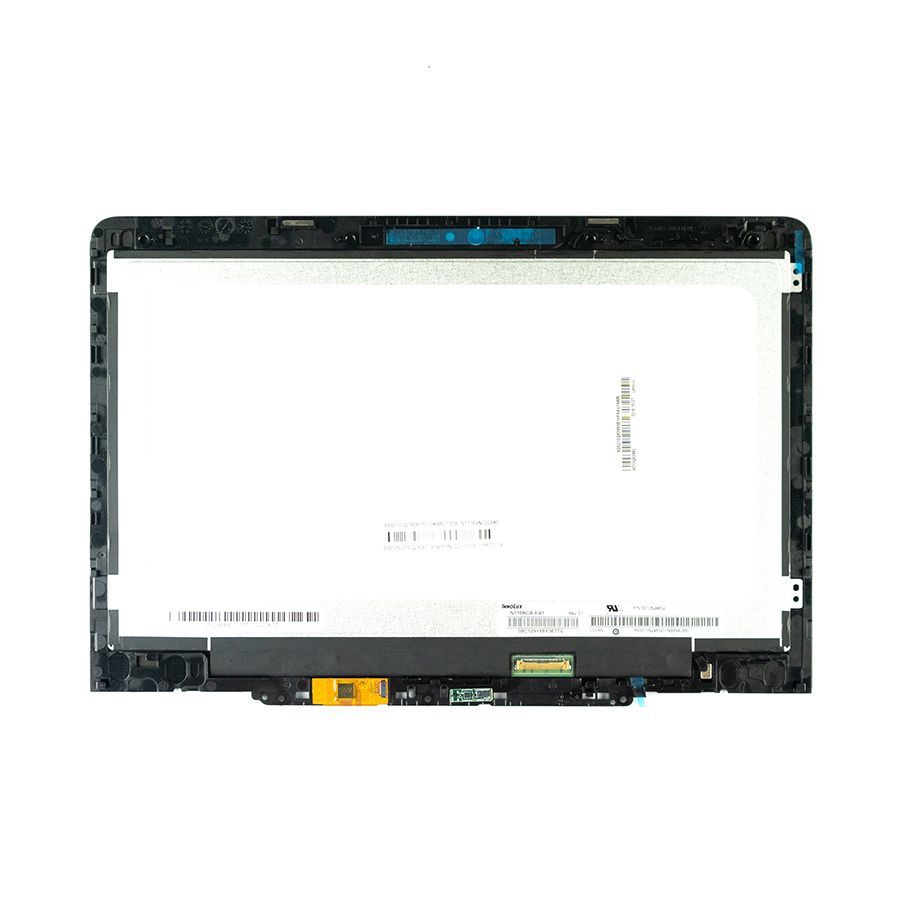
- LCD Touch Assembly for Dell Chromebook 5190 2-in-1 (Touch)
- LCD Touch Assembly for Dell Chromebook 13 7310 (Touch)
- LCD Touch Assembly for Dell Chromebook 13 3380 (Touch)
- LCD Touch Assembly for Dell Chromebook 11 5190 2-in-1 (Touch)
- LCD Touch Assembly for Dell Chromebook 11 3189 (Touch)
- LCD Touch Assembly for Dell Chromebook 11 3120 (Touch)

-
-

-

-

-


Navigating the World of LED Displays: A Comprehensive Buyer's Guide
Navigating the World of LED Displays: A Comprehensive Buyer’s Guide Table of Contents Understanding LED Displays Types of LED Displays Key Specifications to Consider Applications of LED Displays Advantages of Using LED Displays How to Choose the Right LED Display Common Misconceptions About LED Displays Maintenance and Care of LED Displays Conclusion FA
2025-04-18
Navigating the World of LED Displays: A Comprehensive Buyer’s Guide
Table of Contents
- Understanding LED Displays
- Types of LED Displays
- Key Specifications to Consider
- Applications of LED Displays
- Advantages of Using LED Displays
- How to Choose the Right LED Display
- Common Misconceptions About LED Displays
- Maintenance and Care of LED Displays
- Conclusion
- FAQs
Understanding LED Displays
LED displays have revolutionized the way visual information is presented. They utilize **light-emitting diodes** (LEDs) as their fundamental technology, offering vibrant colors, durability, and energy efficiency. LED displays are widely used in various sectors, including advertising, entertainment, transportation, and information dissemination. Understanding how these displays work and their various configurations is crucial for anyone looking to invest in them.
The Mechanics Behind LED Displays
At the core of LED displays is the **LED module**, which consists of multiple diodes that emit light when an electric current passes through them. These diodes can produce a spectrum of colors, allowing for dynamic visuals. LED displays can be categorized into two main types: **indoor** and **outdoor**. Indoor displays typically have higher pixel density, providing sharper images from close distances. Outdoor displays are designed to withstand weather conditions and deliver visibility over longer distances.
Types of LED Displays
When considering LED displays, it’s essential to understand the different types available on the market. Each type serves unique needs and applications.
1. LED Billboards
LED billboards are large-scale displays used primarily for advertising. They offer high brightness and contrast, ensuring visibility even in direct sunlight. These displays can be programmed to showcase multiple advertisements in a rotation, maximizing exposure for advertisers.
2. LED Video Walls
Comprising multiple LED panels, video walls provide a larger-than-life viewing experience. They are commonly used in control rooms, concerts, and events where a big impact is desired. The seamless connection between panels ensures an immersive experience.
3. Digital Signage Displays
These displays are versatile and can be used in retail environments, transportation hubs, and corporate settings. Digital signage can easily be updated with new content, making them an ideal choice for messaging that requires frequent changes.
4. Stadium Displays
Designed specifically for sports arenas, stadium displays are high-resolution screens capable of showing live feeds, scores, and advertisements. Their large size and brightness make them a focal point for fans.
5. Transparent LED Displays
A newer technology, transparent LED displays allow visibility through the screen while still displaying content. They are often used in retail environments to enhance product displays without obstructing views.
Key Specifications to Consider
Selecting the right LED display requires understanding specific technical specifications. Here are some critical factors to evaluate:
1. Pixel Pitch
Pixel pitch refers to the distance between the centers of two adjacent pixels. A smaller pixel pitch results in higher resolution and clearer images, making it ideal for indoor applications where viewers are closer to the screen.
2. Brightness and Contrast Ratio
Brightness is measured in nits; the higher the brightness, the better the display performs in bright environments. Contrast ratio affects the vividness of colors and clarity of images. For outdoor displays, a brightness level of at least 5,000 nits is recommended.
3. Refresh Rate
The refresh rate, measured in Hertz (Hz), indicates how often the image is updated per second. A higher refresh rate is crucial for video applications, ensuring smooth motion without flicker.
4. Viewing Angle
The viewing angle determines how many people can see the display from different positions. A wider viewing angle is beneficial, particularly in crowded or open spaces.
5. Durability and Weather Resistance
For outdoor displays, it's essential to consider the IP rating (Ingress Protection) that indicates the degree of protection against dust and moisture. A minimum rating of IP65 is ideal for outdoor settings.
Applications of LED Displays
LED displays find applications across various industries, enhancing communication and engagement. Here are some key areas:
1. Advertising and Marketing
Businesses leverage LED displays for advertising campaigns due to their eye-catching visuals and ability to convey messages quickly. Companies can update content in real time, making them highly effective for marketing.
2. Transportation
Airports, train stations, and bus terminals utilize LED displays to provide real-time information about arrivals and departures, enhancing passenger experience and safety.
3. Entertainment and Events
Concerts, festivals, and sporting events rely on LED displays for live feeds and promotional content, creating an engaging atmosphere and enhancing audience experience.
4. Retail Displays
Retailers use LED displays to showcase products, promotions, and information. The dynamic nature of these displays attracts customers and drives sales.
5. Corporate Environments
In corporate settings, LED displays are used for presentations, meetings, and internal communications, providing a modern approach to information sharing.
Advantages of Using LED Displays
Investing in LED displays offers numerous benefits that enhance visibility and engagement. Here are some advantages:
1. Energy Efficiency
LED displays consume less power compared to traditional display technologies, making them cost-effective in the long run. Their energy efficiency contributes to reduced operational costs.
2. Long Lifespan
LED technology boasts a long lifespan, often exceeding 100,000 hours, which means less frequent replacements and lower maintenance costs.
3. High Brightness and Clarity
LED displays provide exceptional brightness and image clarity, ensuring visibility even in challenging lighting conditions. This is particularly beneficial for outdoor applications.
4. Versatility
With various sizes and configurations available, LED displays can be tailored to suit different environments and applications, offering flexibility for businesses.
5. Easy Content Management
Modern LED displays come with software solutions that allow users to manage and update content easily. This convenience is vital for businesses needing to change messaging frequently.
How to Choose the Right LED Display
Selecting the right LED display involves careful consideration of various factors. Here’s a step-by-step guide to help you make an informed decision:
1. Identify Your Purpose
Begin by determining the primary use of the LED display. Are you using it for advertising, presentations, or digital signage? Knowing the purpose will guide your choices.
2. Assess Your Environment
Consider the environment where the display will be placed. Indoor displays have different requirements compared to outdoor displays, particularly concerning brightness and weather resistance.
3. Evaluate Your Budget
Set a budget before exploring options. While it’s tempting to opt for the cheapest option, consider the long-term value, including energy savings and durability.
4. Research Manufacturers
Investigate different manufacturers and their products. Look for reviews, certifications, and customer feedback to ensure you’re investing in a quality display.
5. Seek Professional Advice
Consult with industry experts or vendors who can provide insights and recommendations based on your specific requirements and budget.
Common Misconceptions About LED Displays
As LED technology continues to evolve, some misconceptions persist that may hinder informed decisions. Here are a few common myths clarified:
1. LED Displays Are Too Expensive
While initial costs may seem high, the long-term savings in energy and maintenance often offset the initial investment, making them a cost-effective solution.
2. LED Displays Are Only for Outdoor Use
LED displays are versatile and suitable for both indoor and outdoor applications. Indoor displays often have higher resolution and pixel density for close viewing.
3. LED Displays Are Difficult to Maintain
Modern LED displays are designed for easy maintenance. Many manufacturers offer warranties and support, simplifying the upkeep of your display.
4. All LED Displays Are the Same
There are significant differences in quality, technology, and specifications among LED displays. Choosing the right type based on your specific needs is crucial for optimal performance.
5. LED Displays Are Bad for the Environment
On the contrary, LED technology is energy-efficient and has a longer lifespan, contributing to lower energy consumption and waste over time.
Maintenance and Care of LED Displays
To ensure optimal performance and longevity of your LED display, regular maintenance is essential. Here are some best practices:
1. Regular Cleaning
Dust and debris can accumulate on the display surface, affecting visibility. Use a soft cloth and a mild cleaner to gently wipe the screen. Avoid using abrasive materials that could scratch the surface.
2. Monitor Performance
Regularly check the display for any signs of malfunction or reduced brightness. Early detection of issues can prevent costly repairs or replacements.
3. Update Software
Keep the display’s software updated to ensure optimal functionality and access to the latest features. Regular updates can improve performance and security.
4. Professional Inspections
Consider scheduling professional inspections periodically to assess the condition of your display and address any potential issues before they escalate.
5. Ensure Proper Ventilation
Proper ventilation is crucial for LED displays to prevent overheating. Ensure that the display has adequate airflow, especially in enclosed spaces.
Conclusion
Navigating the world of LED displays can be a complex task, but understanding the various types, specifications, applications, and maintenance tips can streamline the decision-making process. Whether for advertising, entertainment, or informational purposes, investing in the right LED display can significantly enhance communication and engagement. As technology continues to advance, staying informed about the latest trends and best practices in LED displays will ensure you make the most informed investment for your needs.
FAQs
1. What is the lifespan of an LED display?
Typically, LED displays can last over 100,000 hours, depending on usage and maintenance.
2. Are LED displays suitable for outdoor use?
Yes, there are specific LED displays designed for outdoor use, which are weather-resistant and offer high brightness levels.
3. How do I know what pixel pitch to choose?
Choose a smaller pixel pitch for closer viewing distances to ensure high resolution. For farther distances, a larger pitch may suffice.
4. Can I update content on an LED display remotely?
Many modern LED displays come with software that allows for remote content management and updates.
5. What maintenance is required for LED displays?
Regular cleaning, performance monitoring, software updates, and professional inspections are recommended to maintain optimal functionality.
Related news