-
-
-
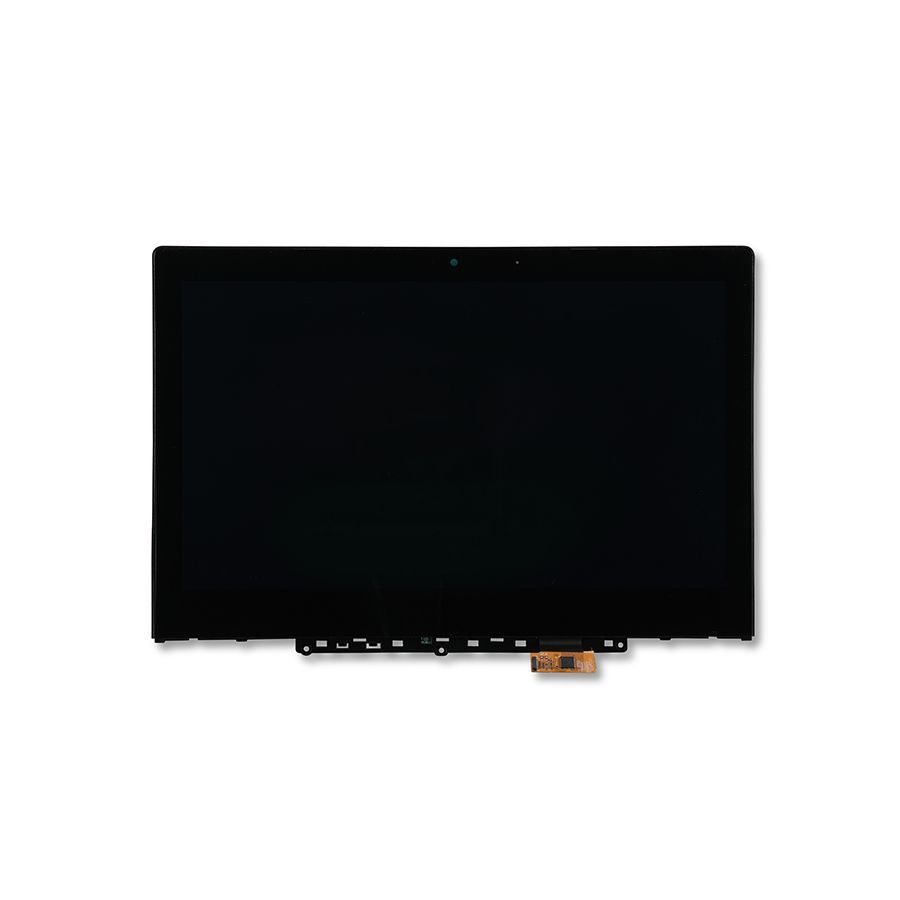
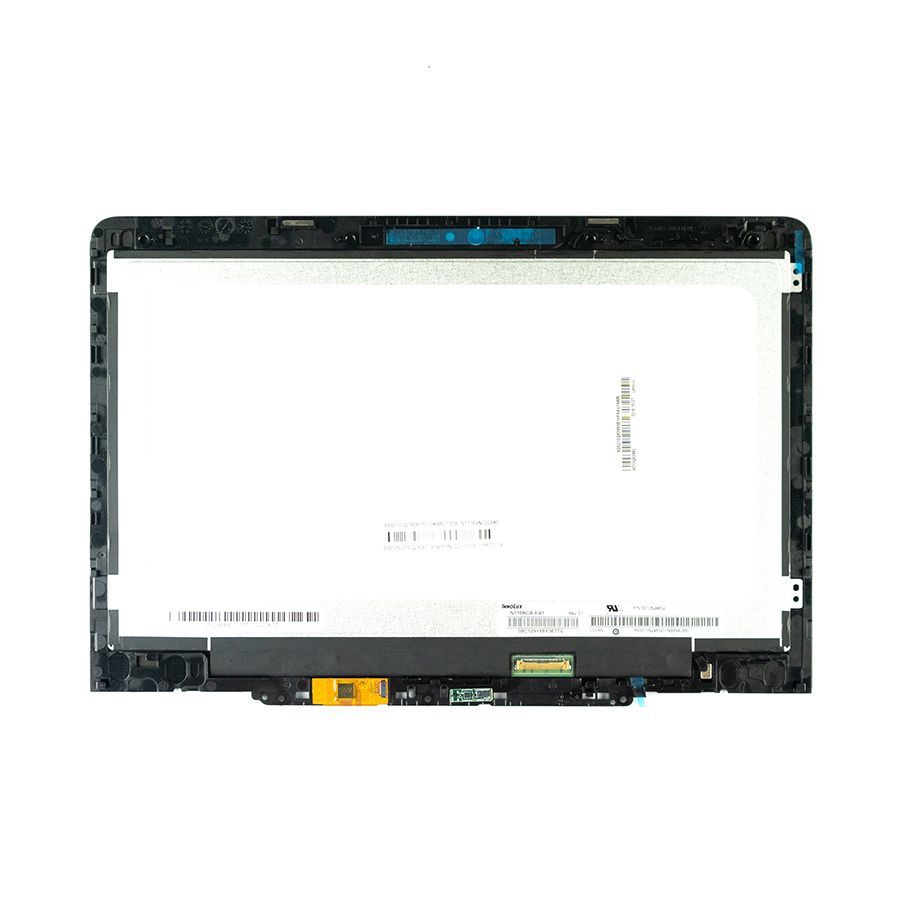
- LCD Touch Assembly for Dell Chromebook 5190 2-in-1 (Touch)
- LCD Touch Assembly for Dell Chromebook 13 7310 (Touch)
- LCD Touch Assembly for Dell Chromebook 13 3380 (Touch)
- LCD Touch Assembly for Dell Chromebook 11 5190 2-in-1 (Touch)
- LCD Touch Assembly for Dell Chromebook 11 3189 (Touch)
- LCD Touch Assembly for Dell Chromebook 11 3120 (Touch)
- LCD Touch Assembly for Dell Chromebook 5190 2-in-1 (Touch)
- LCD Touch Assembly for Dell Chromebook 13 7310 (Touch)
- LCD Touch Assembly for Dell Chromebook 13 3380 (Touch)
- LCD Touch Assembly for Dell Chromebook 11 5190 2-in-1 (Touch)
- LCD Touch Assembly for Dell Chromebook 11 3189 (Touch)
- LCD Touch Assembly for Dell Chromebook 11 3120 (Touch)

-
-

-

-

-


Revolutionizing Learning Spaces: The Impact of LED Displays
Revolutionizing Learning Spaces: The Impact of LED Displays Introduction to LED Displays in Education In recent years, **LED displays** have emerged as a revolutionary tool in educational environments, reshaping how students and educators interact. These displays not only provide vibrant visuals but also enhance engagement and collaboration. As we delve deeper into the impact of LED technology,
2024-10-07
Revolutionizing Learning Spaces: The Impact of LED Displays
Introduction to LED Displays in Education
In recent years, **LED displays** have emerged as a revolutionary tool in educational environments, reshaping how students and educators interact. These displays not only provide vibrant visuals but also enhance engagement and collaboration. As we delve deeper into the impact of LED technology, it becomes clear that these innovations serve as crucial components of modern learning spaces.
The Evolution of Learning Spaces
Educational spaces have undergone significant changes over the years. Traditional classrooms, equipped with chalkboards and desks in rows, are evolving into **collaborative learning environments**. This evolution aligns with contemporary educational philosophies that prioritize active learning, creativity, and communication. Integrating LED displays into these spaces has proven to be a game-changer.
The Shift from Traditional Methods to Interactive Learning
With the advent of technology, educators are increasingly moving away from traditional teaching methods. The **interactive learning** model encourages participation and engagement, allowing students to become active participants in their education rather than passive recipients of information. LED displays facilitate this shift by offering a platform for interactive lessons, videos, and real-time feedback.
Benefits of LED Displays in Educational Settings
The integration of LED displays into learning spaces provides numerous benefits that enhance both teaching and learning experiences. Here are some key advantages:
Enhanced Visual Learning
Visual learning is essential for many students. LED displays present content in a vivid and engaging manner, making complex information more accessible. Whether it's a **detailed infographic** or a dynamic presentation, the ability to display high-resolution visuals captivates students, holding their attention longer.
Improved Collaboration Among Students
LED displays encourage collaboration by enabling group projects and discussions. Students can work together to brainstorm ideas, share research, and present findings in real-time. This collaborative approach not only fosters teamwork but also enhances critical thinking skills.
Flexibility and Adaptability
One of the most significant advantages of LED displays is their **flexibility**. Educators can easily adapt content to suit various learning styles and preferences. Whether conducting a lecture, hosting a discussion, or facilitating a hands-on activity, LED displays accommodate diverse teaching methods.
Real-time Feedback and Assessment
LED technology enables educators to provide immediate feedback during lessons. Interactive quizzes, polls, and surveys can be displayed on LED screens, allowing educators to gauge understanding instantly. This feedback loop is crucial for adjusting teaching strategies and ensuring students grasp essential concepts.
Application of LED Displays in Different Learning Environments
LED displays find their applications across various learning environments, from traditional classrooms to modern universities and training centers. Each setting benefits uniquely from this technology.
Primary and Secondary Schools
In primary and secondary schools, LED displays serve as valuable tools for **engaging young learners**. Teachers can incorporate multimedia content into lessons, making subjects like science and history more exciting. For instance, displaying a documentary clip on a large screen can enhance students' understanding of historical events.
Higher Education Institutions
In universities, LED displays play a pivotal role in **enhancing lectures and presentations**. Professors can utilize these displays to showcase research findings, deliver lectures, and facilitate discussions. Moreover, large lecture halls equipped with LED screens ensure that every student can see and engage with the material being presented.
Corporate Training and Professional Development
LED displays are also making waves in corporate training environments. Organizations use these displays to conduct **interactive training sessions** that promote employee engagement and knowledge retention. Employees can participate in hands-on activities and discussions, leading to a more effective learning experience.
Integrating LED Displays into Learning Spaces
Integrating LED displays into educational institutions requires careful planning and consideration. Here are some essential steps to ensure successful implementation:
Assessing Needs and Goals
Before integrating LED displays, educational institutions must assess their specific **needs and goals**. This assessment involves understanding the unique requirements of students and faculty. By identifying the desired outcomes, institutions can select the appropriate display technology to meet their objectives.
Selecting the Right Technology
Not all LED displays are created equal. Institutions should consider factors such as screen size, resolution, and interactivity. Choosing the right technology ensures that educators can effectively communicate with students and that the learning experience remains engaging.
Training Educators
To maximize the potential of LED displays, educators must receive adequate training. Professional development programs focused on the effective use of technology can empower teachers to incorporate LED displays into their lesson plans confidently.
Future Trends in LED Displays for Education
As technology continues to advance, the future of LED displays in education looks promising. Here are some emerging trends to watch:
Increased Interactivity
Future LED displays will likely feature enhanced interactivity, allowing students to engage more deeply with the content. Touch-screen capabilities and integrated software will enable real-time collaboration and participation.
Augmented Reality (AR) Integration
The integration of **augmented reality** into LED displays holds exciting possibilities for education. AR can bring static images and videos to life, providing immersive learning experiences that captivate students.
Environmental Considerations
As sustainability becomes a priority, manufacturers are focusing on producing eco-friendly LED displays. These innovations will reduce energy consumption and minimize waste, aligning with educational institutions' goals to promote sustainability.
Challenges in Implementing LED Displays in Educational Spaces
While the benefits of LED displays are numerous, several challenges must be addressed during implementation:
Budget Constraints
The cost associated with purchasing and installing LED displays can be a significant barrier for many educational institutions. Institutions must explore funding options and prioritize investments to overcome this challenge.
Technical Issues
Technical difficulties may arise during the integration of LED displays. Regular maintenance and support are essential to ensure that these technologies function effectively and continue to meet educational needs.
Resistance to Change
Some educators may resist the transition to using LED displays due to familiarity with traditional teaching methods. Professional development and ongoing support can help ease this transition, fostering a culture of innovation.
FAQs About LED Displays in Education
1. What are LED displays, and how do they work in educational settings?
LED displays are large screens made up of light-emitting diodes (LEDs) that produce bright, vivid images. In educational settings, they are used to present multimedia content and facilitate interactive learning.
2. How do LED displays enhance student engagement?
LED displays enhance student engagement by providing dynamic visuals that capture attention, facilitating interactive lessons, and encouraging collaborative activities among students.
3. Are LED displays suitable for all age groups in education?
Yes, LED displays are versatile and can be adapted for use in classrooms for all age groups, from primary school students to adults in corporate training settings.
4. What are the maintenance requirements for LED displays in schools?
LED displays require regular maintenance, including cleaning, software updates, and technical support to ensure optimal performance and longevity.
5. How can schools secure funding for LED display integration?
Schools can explore various funding options, including grants, partnerships with technology companies, and community fundraising initiatives to support the integration of LED displays.
Conclusion
The integration of LED displays in educational environments marks a significant advancement in modern teaching and learning practices. By enhancing visual learning, promoting collaboration, and providing real-time feedback, LED technology is transforming classrooms into dynamic learning spaces. As we move forward, embracing these innovations will not only enrich the educational experience but also prepare students for a rapidly evolving digital world. The future of education is bright, and LED displays are at the forefront of this transformation.
Related news