-
-
-
- LCD Touch Assembly for Dell Chromebook 5190 2-in-1 (Touch)
- LCD Touch Assembly for Dell Chromebook 13 7310 (Touch)
- LCD Touch Assembly for Dell Chromebook 13 3380 (Touch)
- LCD Touch Assembly for Dell Chromebook 11 5190 2-in-1 (Touch)
- LCD Touch Assembly for Dell Chromebook 11 3189 (Touch)
- LCD Touch Assembly for Dell Chromebook 11 3120 (Touch)
- LCD Touch Assembly for Dell Chromebook 5190 2-in-1 (Touch)
- LCD Touch Assembly for Dell Chromebook 13 7310 (Touch)
- LCD Touch Assembly for Dell Chromebook 13 3380 (Touch)
- LCD Touch Assembly for Dell Chromebook 11 5190 2-in-1 (Touch)
- LCD Touch Assembly for Dell Chromebook 11 3189 (Touch)
- LCD Touch Assembly for Dell Chromebook 11 3120 (Touch)

-
-

-

-

-


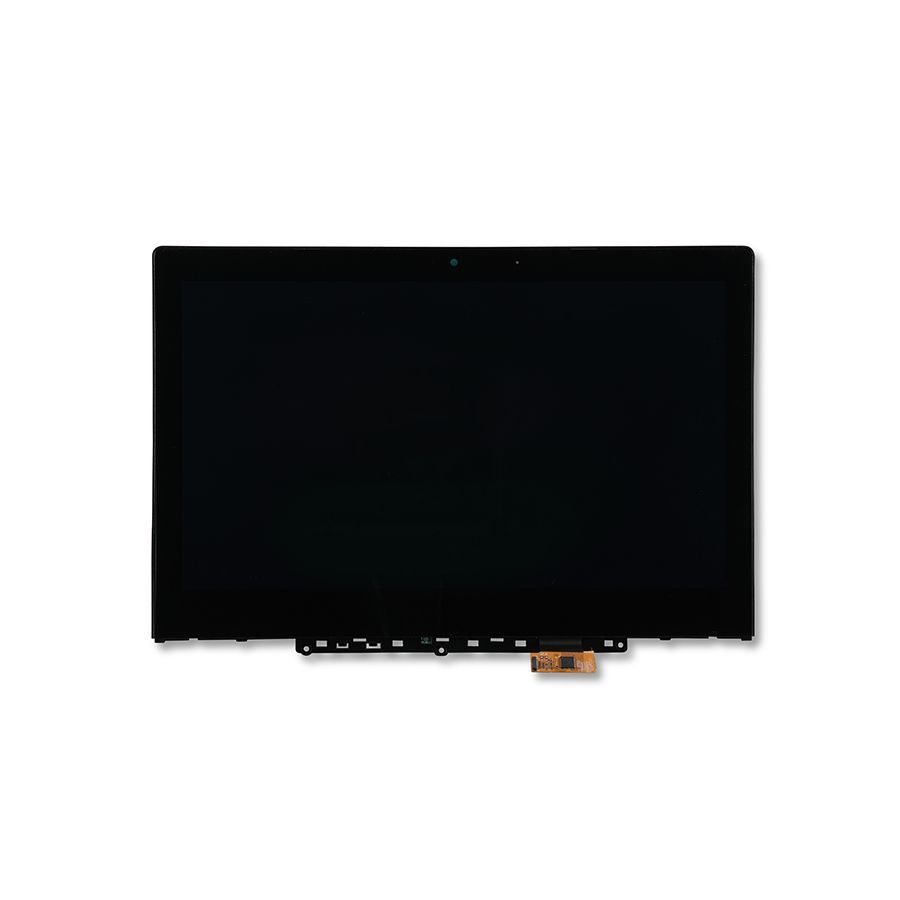
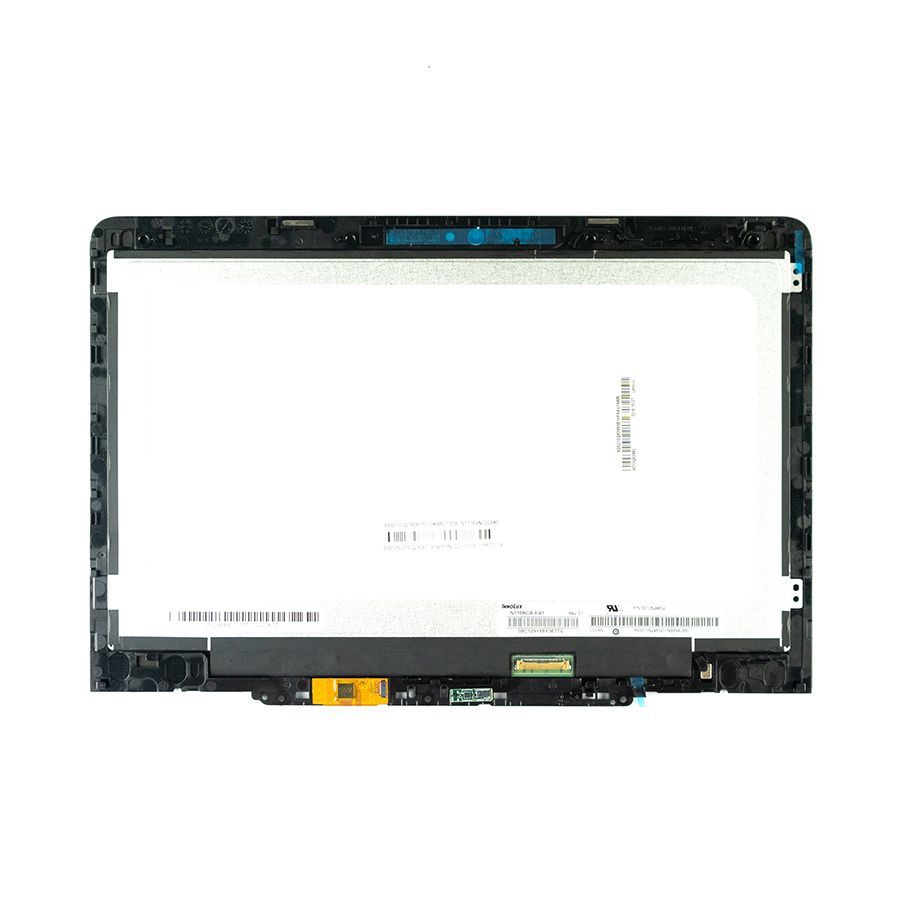
The Evolution of LED Display Technology: A Comprehensive Analysis of the Lenovo 500e Chromebook
The Evolution of LED Display Technology: A Comprehensive Analysis of the Lenovo 500e Chromebook Table of Contents 1. Introduction to LED Display Technology 2. A Brief History of LED Display Technology 3. Understanding How LED Displays Work 4. Types of LED Displays in Contemporary Use 5. Overview of the Lenovo 500e Chromebook 6. The Role of LED Display in the Lenovo 500e Ch
2024-08-16
The Evolution of LED Display Technology: A Comprehensive Analysis of the Lenovo 500e Chromebook
Table of Contents
- 1. Introduction to LED Display Technology
- 2. A Brief History of LED Display Technology
- 3. Understanding How LED Displays Work
- 4. Types of LED Displays in Contemporary Use
- 5. Overview of the Lenovo 500e Chromebook
- 6. The Role of LED Display in the Lenovo 500e Chromebook
- 7. Benefits of LED Display Technology
- 8. The Future of LED Display Technology
- 9. Frequently Asked Questions about LED Displays
- 10. Conclusion
1. Introduction to LED Display Technology
In the contemporary digital landscape, **LED display technology** stands as a cornerstone of visual communication. The transition from traditional display methods to LED (Light Emitting Diode) technology has revolutionized how we interact with screens in both personal and professional settings. From televisions and smartphones to digital billboards and educational devices, LED displays offer clear advantages, including energy efficiency, durability, and vibrant color reproduction.
2. A Brief History of LED Display Technology
The history of LED technology dates back to the early 1960s when researchers first discovered that certain materials emitted light when an electric current passed through them. Over the decades, LED technology has evolved significantly:
The Birth of LEDs
The first practical LED was developed in 1962 by Nick Holonyak, Jr., who created a red LED. This marked the beginning of a new era in display technology, although early LEDs were primarily used for indicators and signals.
The Introduction of Color
By the 1970s and 1980s, advancements in materials and technology led to the development of **green** and **yellow** LEDs. The 1990s saw the introduction of **blue LEDs**, paving the way for full-color displays.
The Rise of Displays
In the late 1990s and early 2000s, manufacturers began to integrate LED technology into larger displays, such as television screens and advertising billboards. This period marked a significant shift towards the adoption of LED displays across various industries.
3. Understanding How LED Displays Work
LED displays utilize an array of small, individual light-emitting diodes that emit light when an electric current passes through them. The basic components of an LED display include:
Pixel Structure
Each pixel in an LED display consists of sub-pixels that emit red, green, and blue light. By varying the intensity of each sub-pixel, displays can produce a wide range of colors, creating vivid images.
Driving Technology
LED displays require sophisticated driving technology to control the brightness and color of each pixel. This technology allows for precise image rendering, critical in applications ranging from consumer electronics to large-format displays.
Benefits of LED Technology
LED technology enhances brightness and color accuracy and provides lower energy consumption compared to traditional display technologies like LCD and CRT.
4. Types of LED Displays in Contemporary Use
LED display technology comes in various forms, each tailored to specific applications:
1. Direct View LED Displays
These displays are composed of individual LEDs arranged in a grid, commonly used in outdoor advertising and large-scale events.
2. LED Backlit LCD Displays
Traditional LCD displays often incorporate LED backlighting to improve brightness and color accuracy, offering a compromise between LED and traditional technologies.
3. OLED Displays
Organic LEDs (OLEDs) are a newer technology that allows each pixel to emit its own light, leading to deeper blacks and more vibrant colors. OLED displays are becoming prevalent in high-end smartphones and TVs.
5. Overview of the Lenovo 500e Chromebook
The **Lenovo 500e Chromebook** is designed for educational environments, providing a blend of durability, versatility, and advanced technology. It features a robust design that can withstand the rigors of classroom use, including a spill-resistant keyboard and a 360-degree hinge for flexible use.
Key Specifications
- **Display Size:** 11.6 inches
- **Display Type:** LED backlit
- **Resolution:** 1366 x 768 pixels
- **Processor:** Intel Celeron
- **Operating System:** Chrome OS
6. The Role of LED Display in the Lenovo 500e Chromebook
The LED display in the Lenovo 500e Chromebook enhances the device's overall functionality, particularly in educational settings. The following features underscore its importance:
Brightness and Clarity
The LED backlit display ensures that content is visible even in bright environments, making it suitable for outdoor use during field trips or presentations.
Energy Efficiency
Compared to traditional displays, the LED technology in the Chromebook consumes less power, extending battery life – a crucial aspect for students on the go.
Durability
LED displays are inherently more robust than traditional LCDs, adding to the Chromebook’s overall durability, a significant consideration in the educational sector.
7. Benefits of LED Display Technology
LED display technology offers numerous advantages that contribute to its widespread adoption:
1. Energy Efficiency
LED displays consume less power than conventional displays, leading to lower energy costs and enhanced sustainability.
2. Longevity
LEDs have a longer lifespan, typically lasting up to 100,000 hours, which translates to years of reliable performance.
3. Improved Color Range
With a broader color gamut and superior brightness, LED displays deliver richer and more vibrant images.
4. Low Maintenance
LED displays require minimal maintenance due to their durability and resilience against environmental factors.
8. The Future of LED Display Technology
The future of LED display technology looks promising with ongoing advancements:
MicroLED Technology
MicroLEDs are expected to revolutionize display technology, offering even smaller pixels for enhanced resolution and color fidelity.
Integration with AI
As artificial intelligence continues to advance, we can expect smarter LED displays that adapt to user preferences and environmental conditions for improved performance.
Increased Applications
From augmented reality to flexible displays, the potential applications of LED technology are boundless, paving the way for innovative products and services in various sectors.
9. Frequently Asked Questions about LED Displays
1. What is the difference between LED and OLED displays?
LED displays use a backlight, while OLED displays emit light from individual pixels. OLEDs typically offer better contrast and color accuracy.
2. How do LED displays compare to traditional LCD displays?
LED displays are generally brighter, more energy-efficient, and offer a wider color range compared to traditional LCDs.
3. Are LED displays suitable for outdoor use?
Yes, many LED displays are designed specifically for outdoor environments, featuring enhanced brightness and durability.
4. What is the lifespan of an LED display?
LED displays typically last between 50,000 to 100,000 hours, depending on usage conditions.
5. Can LED displays be repaired if damaged?
While many LED displays can be repaired, the extent of damage will determine repair feasibility. Minor issues often can be fixed, but major damage may require a full replacement.
10. Conclusion
LED display technology has played a pivotal role in transforming how we consume visual content, and the Lenovo 500e Chromebook is a prime example of its application in education. The combination of durability, energy efficiency, and vibrant display capabilities makes LED technology an optimal choice for today's digital environment. As we look toward the future, innovations such as MicroLED and AI integration promise to further enhance the capabilities of LED displays, ensuring they remain at the forefront of technology in the years to come.
Related news